Gauteng public schools owed R583.9 million in unpaid municipal debt as of March 2026, the Gauteng Department of Education (GDE) confirmed on May 17, 2026. The growing debt has disrupted teaching and delayed infrastructure upgrades, prompting the department to review the decentralisation model that shifted responsibility for utility payments to School Governing Bodies (SGBs).
The City of Johannesburg accounts for the largest portion of the debt at R390.71 million, followed by Ekurhuleni with R75.14 million and Tshwane with R51.7 million. Schools also owe Eskom R6.32 million.
According to the GDE, many no-fee and low-income schools are struggling to cope with rising municipal tariffs amid limited state allocations. Some institutions have inherited historical debt accumulated before decentralisation, while others have reportedly been billed incorrectly at commercial rather than educational rates.
“Non-payment directly affects teaching and learning conditions,” the department said. Schools without electricity are unable to operate computer labs or provide adequate lighting, while administrative systems are disrupted. Water disconnections pose sanitation and health risks. In many cases, funds earmarked for educational resources and infrastructure upgrades are redirected to settle municipal accounts.
The disclosure follows a High Court ruling on May 5, 2026, ordering the City of Tshwane to immediately restore electricity to schools that had been disconnected and prohibiting further power cuts over unpaid property rates. The court found that schools should not be penalised with electricity disconnections for property rates owed by authorities.
Parents say the crisis is compounding already difficult conditions faced by learners.
“Children sit in cold classrooms without windows in winter, and some schools have leaking roofs when it rains. Toilets also do not work for days. It is hard to think about learning when basic safety and dignity are not being met,” said Ms Kamogelo Mabe, a parent.
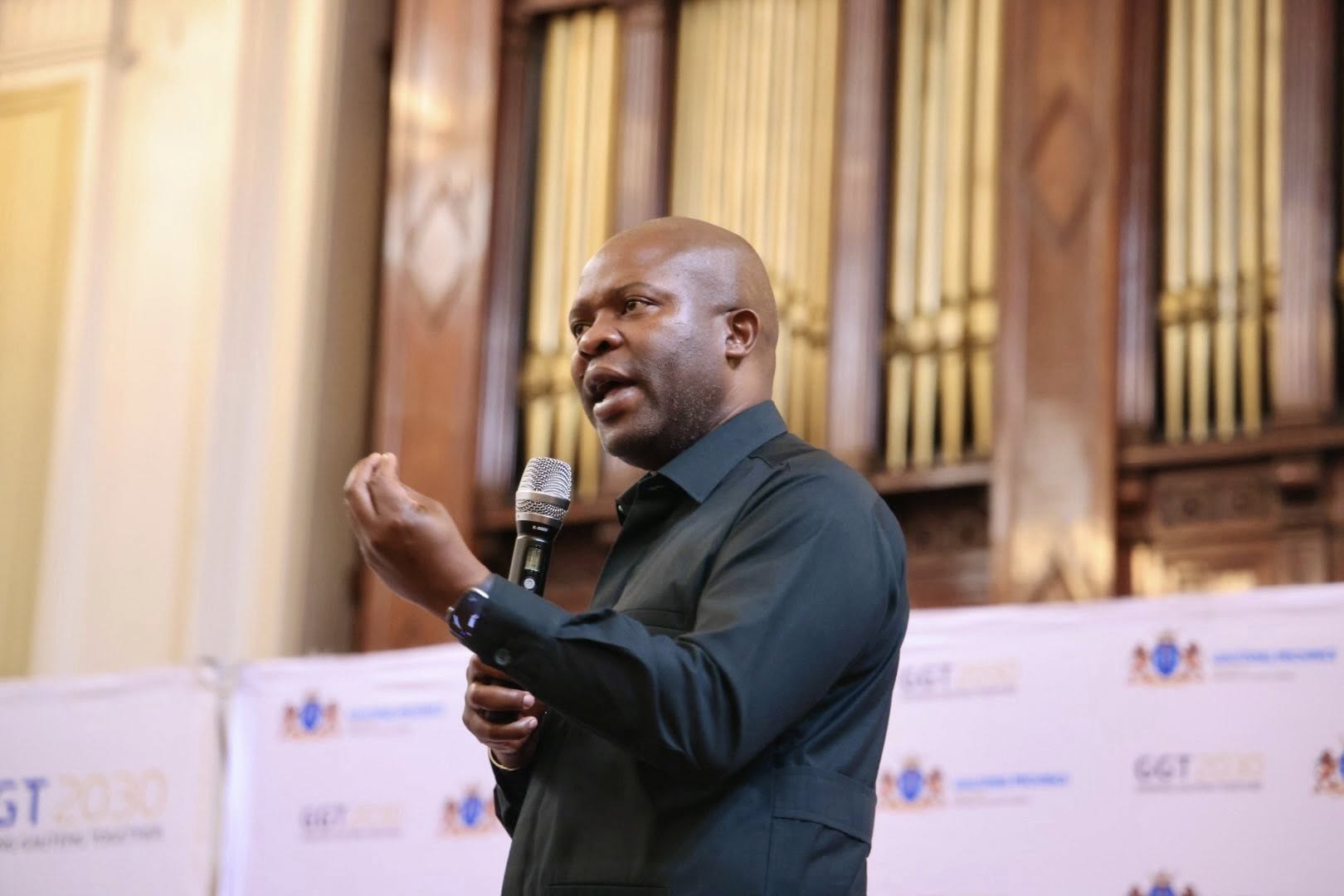
MEC Lebogang Maile said the department is engaging stakeholders to strengthen the decentralisation model while ensuring schools remain focused on delivering the curriculum. He emphasised that the constitutional right to basic education remains non-negotiable.